
Pimlico Painters & Decorators
Colour & wallcoverings
A restrained palette can still have depth. Explore how a wall colour sits beneath the cornice, how a paper meets a window reveal and how the same room changes from daylight to lamplight.
Discuss your project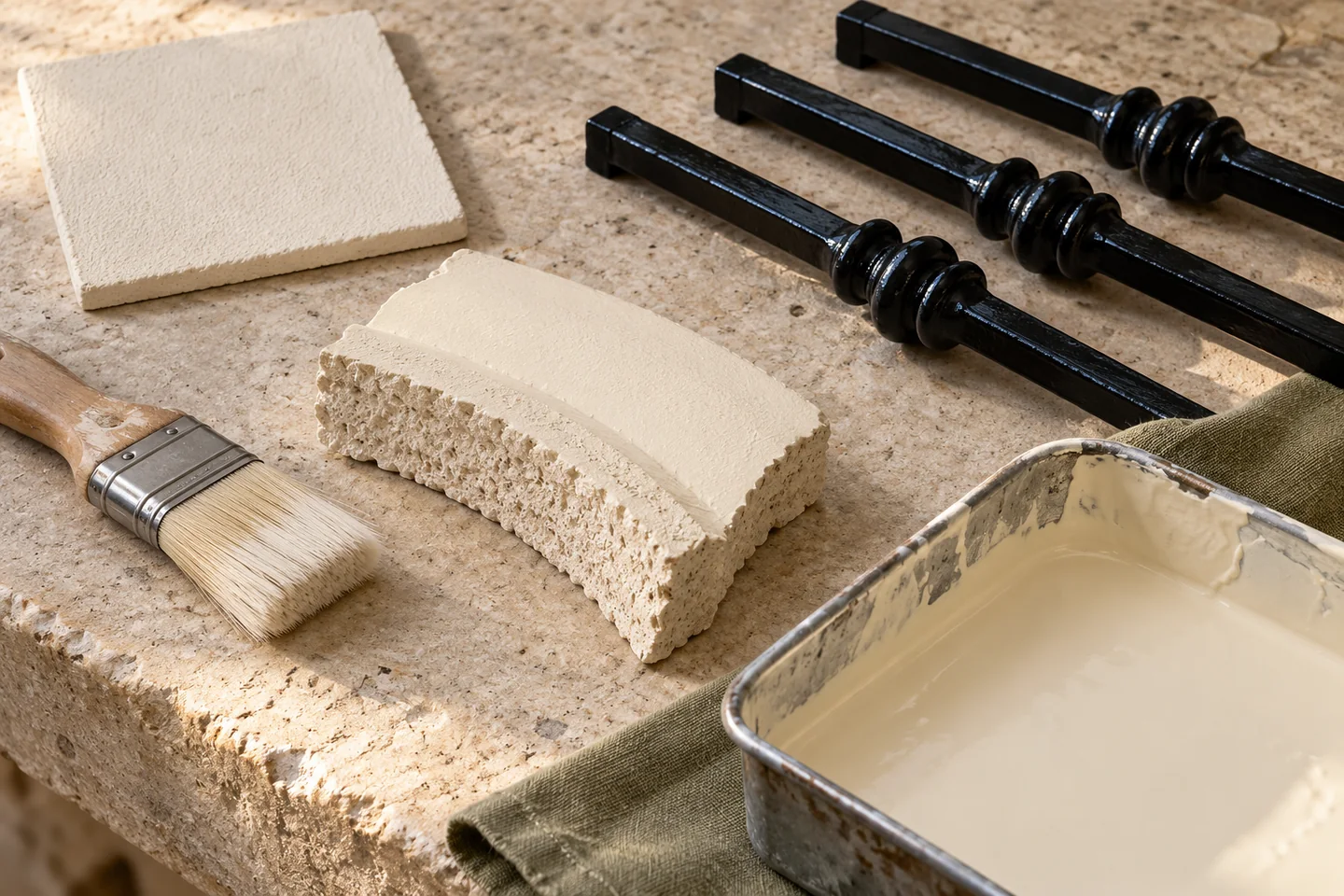
Begin with the things that will stay
Bring flooring, curtains, upholstery and existing furniture into the colour discussion. Consider the view through a tall sash as well as the room’s lamps. A paint sample should be assessed beside these retained elements, at different points in the room. Include the ceiling and joinery so the palette describes a finished space rather than an isolated wall.
Let room height inform the pattern
For a patterned covering, look at the full drop between cornice and skirting and the interrupted spaces around openings. Establish the main view of the wall before deciding how the pattern starts. A chimney breast, paired alcoves or narrow return can change the layout. Confirm the selected product, repeat and supplier’s instructions before settling material quantities.
Resolve the surface beneath the paper
Describe existing coverings and any known problems with the plaster. Removal may reveal work that could not be assessed from the finished face, so keep those uncertainties visible in the proposal. Agree the approach to lining and preparation after the background is understood. If earlier decoration or fragile features are encountered, obtain the appropriate advice before proceeding further.
Compare the finish as well as the colour
A door, a broad wall and a shaped cornice reflect light differently. Review the proposed sheen on suitable samples and check the manufacturer’s guidance for the intended use and cleaning. Keep product suitability, existing coatings and conservation requirements in the same discussion. For communal or exterior elements, establish the permitted scheme before exploring changes to it.
Record the final choices by surface
Once selections are agreed, give each room and component its product, colour and finish reference. For wallcoverings, add the design and batch details and identify any material kept for later repairs. Note where a sample was accepted and by whom. This written record allows purchasing and application to follow the decision accurately, including any areas still awaiting approval.
Your Pimlico property
Let’s put the work
into a clear brief.
Tell us which rooms or shared surfaces need attention, the property address and your role in the building. Include any existing colour schedule or managing-agent requirements in your outline.
Describe the proposed work
Start with the address, the areas to decorate and any arrangements already agreed for the building.